fiction for 6/12

Philippine Genre Stories and A Time for Dragons contributor Paolo Chikiamco (did I get that spelling right) on June 11 posted a call for six-word speculative fiction stories to celebrate this year’s Independence Day. What better way to celebrate freedom than with stories, right.

I sent him four, and here’s my personal favorite:

blissery

I’m now seriously thinking of turning this into a story. :)

* * *

Read more of these short short short stories here. Maybe next year you’ll have more entries, eh, Mr. Chikiamco? And maybe a book? And and prizes?

Kidding.

* * *

Here’s an article about Independence Day from the National Historical Institute. Makes you wonder how things would have turned out if Aguinaldo did different.

* * *

So I’ve been reading Issue 8 of Expanded Horizons, and I have to say that Silvia Moreno-Garcia’s “King of Sand and Stormy Seas” is my favorite story there.

* * *

Here’s a cool announcement about the EH issue from the World SF blog.
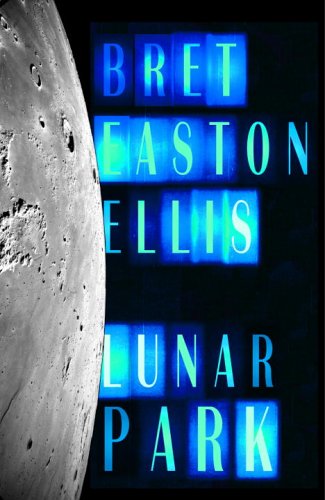
lunar park

lunar park

There’s a story behind the film Adaptation: scriptwriter Charlie Kaufman had a hard time adapting The Orchid Thief, so what did he do? He wrote a film about him having a hard time adapting The Orchid Thief, writing himself into the script, creating for himself a twin brother, dedicating the finished piece to the sibling who didn’t exist. Author Bret Easton Ellis, creator of American Psycho and other “transgressive” novels, wrote himself into his novel Lunar Park, conjuring for himself a family, a film actress wife, a quiet neighborhood in the suburbs, a son. A series of brutal murders, a haunting, a loss. I write stories but I could never imagine writing myself into one of them, even as an exercise. Of course every writer writes himself into his stories, his fears, his joys, but how terrifying to see your own name on a page, to see yourself as a fictional character running away from fictional horrors. Honesty can be very frightening, so with Lunar Park Ellis was being very brave. Ian McEwan asks, How can a novelist find atonement when, in his novels, he is God? But Ellis found atonement. There was one long passage in the novel that ends with From those of us who are left behind: you will be remembered, you were the one I needed, I loved you in my dreams. Writing these words, would it be too much to say that Ellis found freedom? Perhaps, upon finishing the novel, he had forgiven everyone and everything that had to be forgiven, and in the process also found absolution.

I think this is a remarkable book.