Howee Pinoy non-fic. :)
The Kobayashi Maru of Love by Carljoe Javier
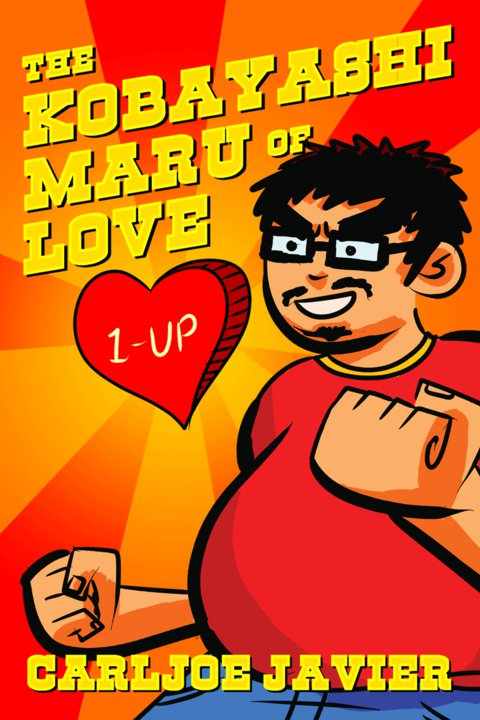
Oh to be the writer’s (former) other. I suppose the ex (“Cha”) mentioned in this collection of essays understood what she was getting into when she first started dating author Carljoe: she would be written about, turned into a muse and exalted during moments of glory, and destroyed after that final act of departure.
But fear not, “Cha” and friends of “Cha” – she isn’t murdered here. She is alluded to, cried over, pined for (sometimes), but this book, ultimately, isn’t about her. It’s about Carljoe. The object of the (Kobayashi Maru) game is not to malign the girl, but to let her go.
The book is divided into three parts. Part I, two essays written while C and C were still together, was the book that never came to be. Carljoe said in his preface that he originally wanted to write a book about his relationship, but alas, the relationship ended in a break-up. We will not be told what happened exactly, but there are references to “infidelity”.
Part II are seven short essays written (presumably) a week after the break-up. The pain is here. Heavy stuff. But Part III shows Carljoe escaping the shackles and the hurt of that week, trying to pick up girls in bookstores, dancing with metrosexuals, etc.
(Venson Evangelista, a trader burned to death in January, was a high school friend of Carljoe’s and is mentioned in one of the essays. It was rattling, saddening, to see his name.)
It’s a fun read, bright and breezy. This is a self-published book, so it might be hard to find. I bought my copy in Sputnik in Cubao X, but you can go message Carljoe on his FB here to ask how you can buy his book.
And you know what? He’s now “in a relationship”.
Showbiz Lengua by Jose F. Lacaba

I write, I love language, I love its sounds and how it flows, but I am no grammarian, I am no lexicographer, I am no Lenguador, so this book is an absolute treat for me. Lacaba (or Sir Pete – he was my professor in Feature Writing) in this book primarily dissects the origin and meaning of words used in showbiz, but he loves giving random word trivia as well. For example, I didn’t know that siyam-siyam (Inabot na ng siyam-siyam ang hearing.) refers to typhoons that take days – almost as long as a novena (novem – nine) – before leaving. And did you know that the word “awit” went through a semantic change via “generalization”? Originally, in literature, an “awit” is a form with four lines per stanza and 12 syllables per line and with one rhyme scheme, like Leron leron sinta puno ng papaya/Dala-dala’y buslo sisidlan ng bunga etc. But awit later on became synonymous to song, any song at all, regardless of metric count.
I learned a lot from this book.
The Mighty Reading List!
Saturday
Feast for Crows
The Kobayashi Maru of Love
Showbiz Lengua
PGS Horror issue
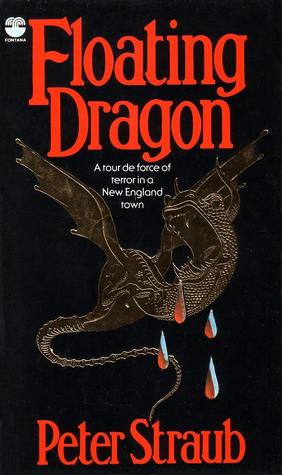
Floating Dragon
El Bimbo Variations
The Tesseract
The Dispossessed
100 Bullets
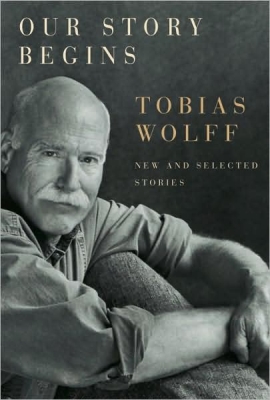
Our Story Begins
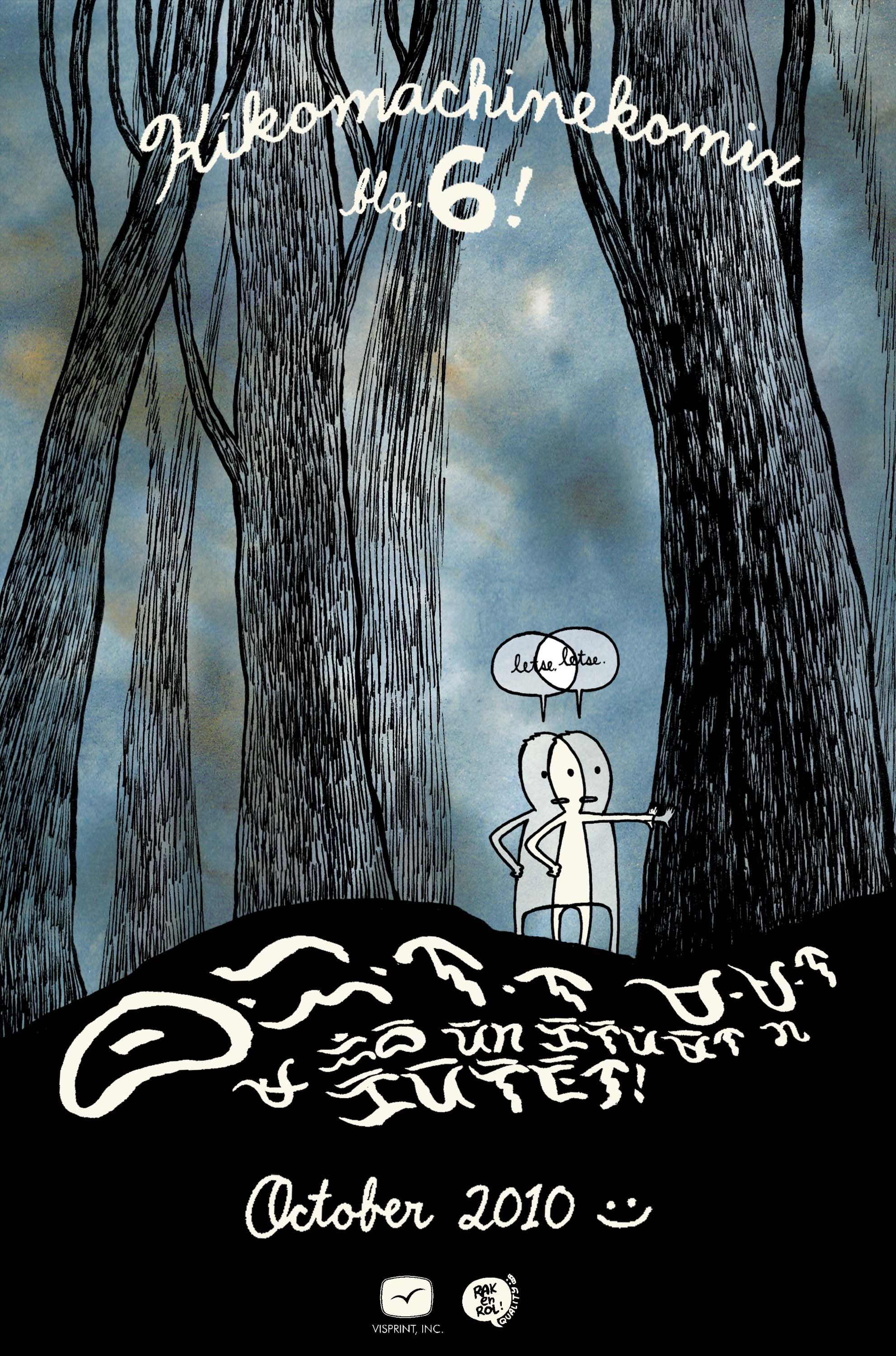
 I am a big fan of horror, but since I read so many horror stories and I don’t scare easily (I think), I always end up disappointed. Gah. Is it too much to ask? I just need a clean narrative and a story that gets under your skin. Though I liked “Leg Man” (PSF V), Dominique Cimafranca’s “An Unusual Treatment” didn’t win me over. The narration is clunky and reads like it is just following an outline. I bet the story’s funnier if a friend told this to me in person, in his or her own digression-filled style.”Same Time Again Next Halloween” by Alex Paman could have been a decent story, but it suffers from too much adverbs (too many “seemingly”‘s, etc) and a dramatic ending that feels forced. “The Haunted Man” by Raymond Falgui also lacks that organic flow, despite the fact that it is written like an anecdote. Joey Nacino’s “The War Against the City” intrigued me (I use city imagery in my poems and stories a lot). I expected a rich source of charged imagery, but his imagery didn’t move me.

 Eliza Victoria